
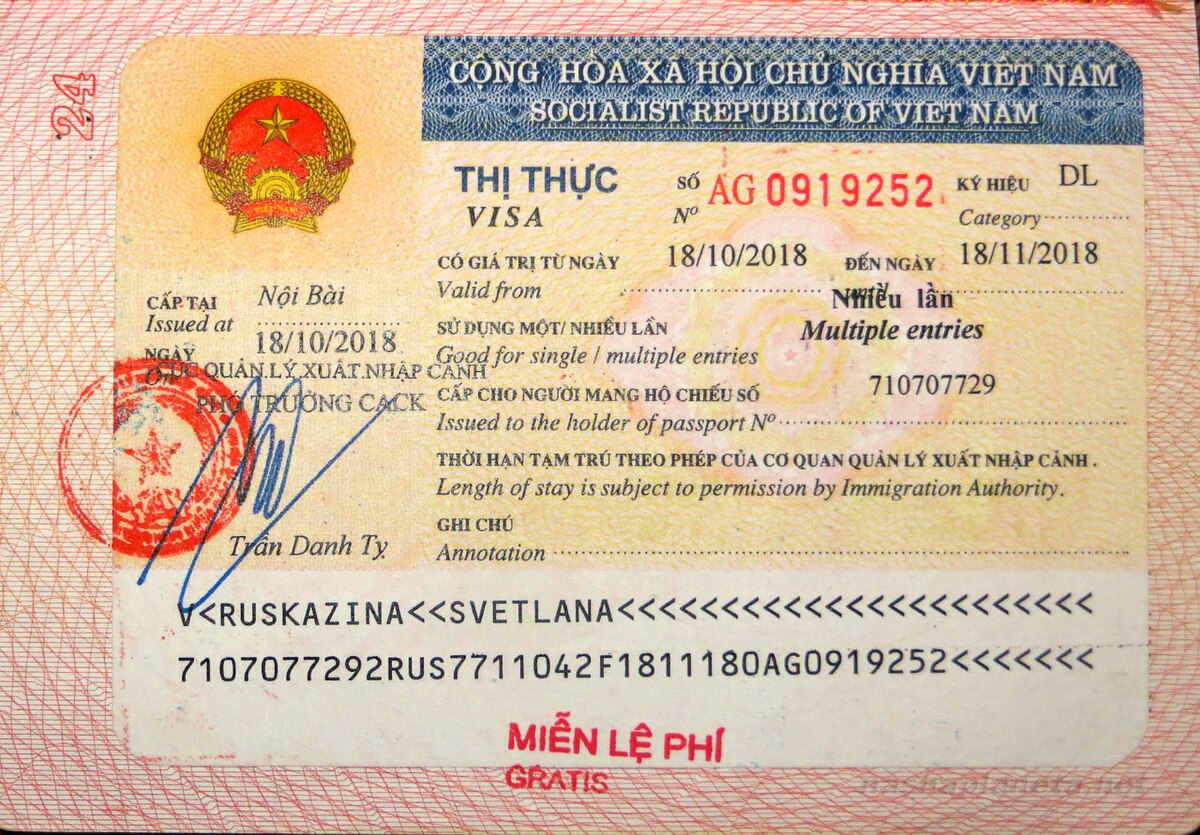
Dreaming of exploring Vietnam in 2026? Before packing your bags, understanding the Vietnam visa requirements 2026 is crucial to ensure a hassle-free journey. With evolving policies and new regulations anticipated, this guide provides comprehensive insights to help international travelers, expatriates, and business visitors plan effectively.
Vietnam visa requirements 2026 will play a vital role in shaping your travel experience. Stay informed with authoritative advice and expert tips to navigate this process seamlessly.
Table of Contents
Overview of Vietnam Visa Requirements 2026: What Every Traveler Needs to Know
The landscape of international travel is dynamic, especially concerning visa regulations, which change to enhance security, streamline entry procedures, and adapt to geopolitical shifts. For 2026, Vietnam is expected to maintain a firm stance on visa policies to balance tourism growth with national security.
Understanding the core of Vietnam visa requirements 2026 will help travelers plan better. These include documentation standards, application procedures, eligibility criteria, and special considerations for different traveler types—tourists, businesspersons, students, and expatriates.
Vietnam’s government continues to modernize visa processes, with digital applications gaining prominence to facilitate smoother approvals. As the country attracts more visitors each year, the aim is to simplify entry while maintaining strict security measures.
Moreover, Vietnam’s strategic partnerships, global diplomatic relationships, and regional integration efforts influence visa regulations. Anticipate a blend of traditional procedures and innovations like e-visas or visa-on-arrival extensions, tailored to promote tourism without compromising safety.
In addition, the Vietnamese authorities often adjust policy details based on international health protocols, especially evident during the recent global health crises. For 2026, travelers can expect further developments in health certification requirements, contactless procedures, and digital health pass integrations.
Understanding these broad shifts provides a solid foundation for planning your trip, whether for leisure, business, or study purposes. Prepare accordingly and stay updated through official channels to meet all Vietnam visa requirements 2026 convincingly.
Types of Visas and Eligibility Criteria in Vietnam for 2026
The diversity in traveler profiles demands a range of visa options. For 2026, Vietnam offers several types of visas, each tailored to different needs like tourism, work, investment, or long-term residence.
Tourist Visa: Suitable for leisure travelers and those visiting friends or family. Usually valid for 30 to 90 days, with options for extension. Eligibility is straightforward, requiring proof of sufficient funds and round-trip travel arrangements.
Business Visa: Designed for entrepreneurs, corporate representatives, and investors. Eligibility depends on submitting a letter of invitation from a Vietnamese business partner or company registration documents. As Vietnam promotes foreign investment, these visas may include multi-entry options for ease of conducting business activities.
Student Visa: For those enrolled in Vietnamese institutions. Applicants must provide acceptance letters, proof of financial capability, and health insurance coverage. The government continues to incentivize international education, which influences the criteria.
Work Visa: Required for foreigners intending to work in Vietnam. Applicants need employment contracts and sponsorship from a certified Vietnamese employer. The process includes pre-approval from Vietnamese authorities and adherence to labor law regulations.
Long-term Residency Visa: For expatriates planning to live in Vietnam for extended periods. Usually tied to employment, investment, or family reunification. Eligibility involves demonstrating financial stability, legal compliance, and sometimes proficiency in Vietnamese language or integration.
The eligibility criteria for each visa type are subject to evolving policies and bilateral agreements. The Vietnamese government is continually enhancing its visa framework to facilitate entry for different segments while securing national interests. It’s essential for travelers to consult official government portals or authorized agencies for the latest updates specific to 2026.
Application Process and Key Documents in 2026 for Vietnam Visa
The application process for Vietnam visas is designed to be user-friendly, with a mix of traditional and digital channels. For the Vietnam visa requirements 2026, applicants should be prepared with consistent documentation and adherence to procedural guidelines.
Step-by-step process:
- Complete the visa application form either online or via an authorized visa agency.
- Gather and prepare necessary documents, including passport, photographs, travel itineraries, and supporting letters if applicable.
- Submit your application through the Vietnamese embassy, consulate, or authorized online portal.
- Pay applicable visa fees, which vary depending on the visa type and processing speed.
- Await approval, which generally takes 3–7 business days, though expedited options may be available.
Key documents typically required:
| Document | Description | Additional Notes |
|---|---|---|
| Valid Passport | Minimum 6 months validity beyond planned stay. | Check for sufficient blank pages. |
| Visa Application Form | Completed and signed. | Available online or at consulate. |
| Recent Passport-sized Photos | Usually 2-4 photos as per specifications. | Ensures clear face representation. |
| Travel Itinerary | Flight bookings and hotel reservations. | Proof of accommodation and onward travel plans. |
| Invitation Letter / Sponsorship | From Vietnamese host or company. | Especially for business and work visas. |
| Financial Proof | Bank statements or proof of funds. | Demonstrates ability to support stay. |
| Health and Travel Insurance | Coverage for duration of stay. | Increasingly emphasized for health security. |
To maximize success, applicants should ensure all documents are recent, correctly formatted, and translated into Vietnamese or English if required. Proper documentation speeds up approval processes and minimizes the risk of visa denial.
In 2026, digital dossiers and e-visa applications are expected to become more prominent, reducing physical paperwork and human error. Travelers are encouraged to leverage official portals for tracking application status and receiving updates.
How to Use and Prepare for Vietnam Visa Requirements 2026
Strategically leveraging information on Vietnam visa requirements 2026 can significantly streamline your travel planning process. Understanding how to prepare for and utilize these regulations ensures smooth entry and a hassle-free stay.
First, stay informed:
Regularly visit official sources such as the Vietnamese embassy’s website, official government portals, and approved visa service providers. Regulations can change unexpectedly due to political or health policies.
Second, plan ahead:
Visas typically require a lead time of 1–2 weeks for processing; thus, early application is advisable. For longer stays or work permits, application timelines may extend further, so plan accordingly.
Third, organize your documents:
Double-check all required documents against the latest Vietnam visa requirements 2026. Ensure passport validity, gather supporting letters, and prepare financial proofs to avoid delays.
Fourth, be aware of exceptions and special cases:
Some countries have visa exemptions or special agreements that simplify procedures. Additionally, travelers should prepare for health compliance measures, especially regarding COVID-19 or other health protocols.
Fifth, embrace digital solutions:
The trend towards e-visas and online applications is expected to grow in 2026. Using official portals, digital health passes, and online tracking features minimizes physical visits and allows real-time updates.
Practical examples:
- An American tourist planning a 3-week vacation would apply for a 30-day e-visa, ensuring a valid passport and recent photograph, and check health requirements prior to departure.
- A Singaporean business professional needing a multi-entry visa would submit an invitation letter from their business partner, prepare financial documents, and apply several weeks ahead.
Comparison with other countries:
Compared to regional neighbors like Thailand and Cambodia, Vietnam’s visa policy remains slightly more rigorous but increasingly user-friendly, emphasizing online applications and shorter processing times.
Expert advice:
Always verify the latest regulations close to your travel date. Use reputable visa service providers to assist in complex cases, like long-term or work visas, to avoid common mistakes. Be proactive in health compliance, as Vietnam may update health screening or vaccination policies based on international standards.
Ultimately, understanding and effectively responding to Vietnam visa requirements 2026 can turn what seems complicated into an effortless process, allowing travelers to focus on immersing themselves in Vietnam’s rich culture and vibrant landscape.
FAQs about Vietnam Visa Requirements 2026
What is the new process for applying for a Vietnam visa in 2026?
In 2026, Vietnam is likely to expand its digital application system, emphasizing online submissions through official portals or authorized providers. Expect streamlined procedures with digital document uploads, electronic payments, and real-time tracking, making the process more convenient and faster.
Are there any changes to visa exemptions or visa-free travel in 2026?
Vietnam may introduce new visa exemption agreements with additional countries or extend existing periods for certain nationalities as part of its diplomatic initiatives. Check official sources for the latest updates, as these can significantly affect short-term travelers.
What health documentation is required for Vietnam visa in 2026?
Expect continued emphasis on health certification, including proof of vaccination or recent health screenings, especially regarding global health crises like COVID-19. Digital health passes and QR code scanning at entry points may become standard requirements.
How long does it typically take to process a Vietnam visa in 2026?
Processing time varies by visa type and application channel. Standard processing may take between 3–7 business days, with expedited options available for urgent requests. Digital applications and pre-approved visas tend to reduce wait times substantially.
Can I extend my Vietnam visa or change visa types upon arrival in 2026?
Yes, visa extensions and conversions are generally possible, but procedures may become more streamlined with digital platforms. It’s advisable to apply for extensions well before your current visa expires to avoid penalties or overstays.
Conclusion
Preparing for travel to Vietnam in 2026 involves understanding the evolving Vietnam visa requirements 2026, which encompass document standards, application procedures, health protocols, and new digital opportunities. Staying informed through official channels, organizing your paperwork meticulously, and leveraging technological advancements will ensure your entry into Vietnam is seamless. As Vietnam continues to promote tourism and international business, its visa policies are likely to become more accessible and efficient while maintaining security. By adhering to these insights and expert tips, travelers can confidently navigate the visa process, enjoy their Vietnamese adventure, and make their 2026 journey both memorable and hassle-free.
Welcome to Vietnam! If you are planning a trip to our beautiful country in 2026, navigating the visa process should be the least of your worries.
At Visaonlinevietnam.com, we specialize in providing seamless, fast, and reliable visa solutions tailored for international travelers and business professionals. Whether you are visiting for the breathtaking landscapes of Ha Long Bay or attending a strategic business meeting in Ho Chi Minh City, we are here to ensure your entry is smooth and stress-free.

🌟 Our Premium Services for 2026
We offer a comprehensive range of services designed to meet every traveler’s timeline and purpose:
-
Vietnam E-Visa (Tourist Business): The most popular choice in 2026. We handle the 90-day single or multiple-entry E-visa applications with a 100% success rate.
-
Urgent Emergency Visa (The “Life Saver”): * Express: 4–8 working hours.
-
Super Urgent: 1–2 working hours (even on weekends or holidays).
-
Emergency “Last Minute”: For those already at the airport without a visa.
-
-
Business Visa (DN1/DN2): Full support for sponsorship letters and long-term stays for investors and experts.
-
VIP Airport Fast-Track: Skip the long immigration queues. Our staff will meet you at the gate, handle all paperwork, and get you through the priority lane in minutes.
-
Airport Car Pick-up: Professional private transport from the airport to your hotel.
✅ Why Choose Visaonlinevietnam.com?
| Advantages (Pros) | Considerations (Cons) |
| Speed: Fastest processing in the market (as quick as 1 hour). | Cost: Premium/Urgent services carry higher fees than standard government processing. |
| 24/7 Support: Human experts available via WhatsApp/Email anytime. | Official Ports: E-visas are only valid at 42 specific international border gates. |
| Error-Proof: We pre-check your photos and passport data to avoid “stuck” applications. | |
| VIP Treatment: Complete end-to-end service from visa to airport pickup. |
📞 Contact Us Apply Now (24/7)
Ready to start your journey? Our team is standing by to assist you in English.
-
Website:
-
Hotline / WhatsApp: (+84) 968 18 77 18
-
Email:
-
USA Support Office: +1 (972) 666-0676
-
Head Office: 56 Nguyen Cu Trinh Street, District 1, Ho Chi Minh City, Vietnam.
Don’t let paperwork delay your adventure. Contact us today for a free consultation or to expedite your 2026 Vietnam Visa!